Navigating Vitamin Habits: Understanding Stroke Risk for Older Adults and Brain Health
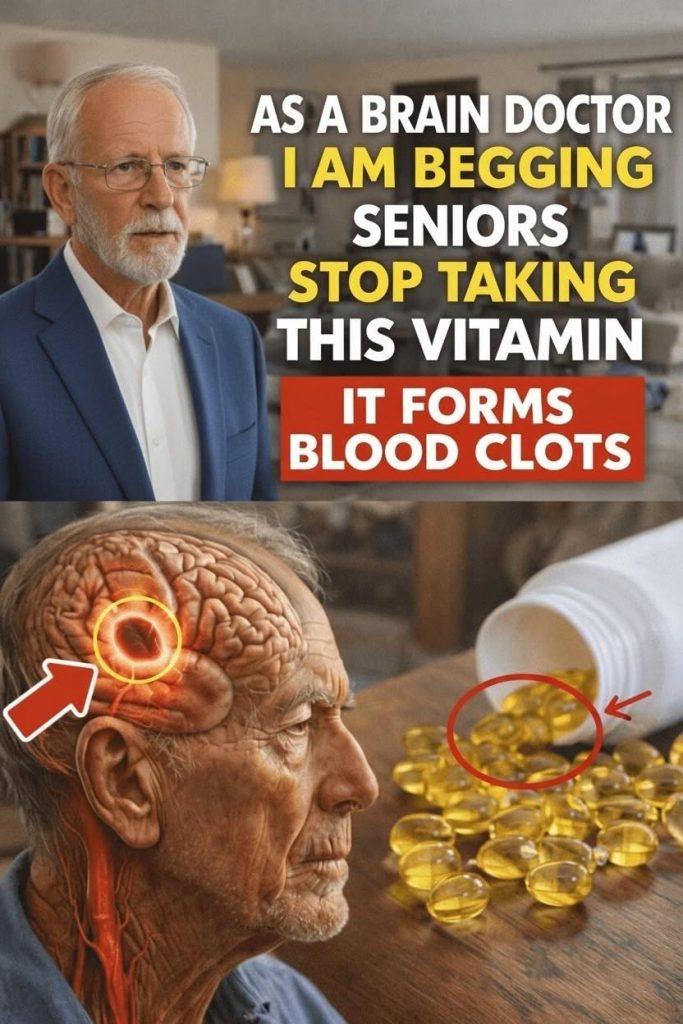
Many older adults regularly take daily vitamins, often hoping to safeguard their heart and brain health. However, recent discussions surrounding specific supplements have sparked considerable concern. Headlines suggesting that common vitamins could abruptly elevate stroke risk can be particularly alarming, especially for seniors already managing conditions like high blood pressure or circulation challenges. It’s unsettling to consider that something intended to support well-being might inadvertently pose risks. The good news is that by understanding how vitamins interact with your body, you can make informed, safer choices. This article will also highlight a crucial, often-overlooked factor that significantly impacts brain health and stroke prevention.

Health
Why Conversations About Supplements and Stroke Risk Are Intensifying

As we age, maintaining robust circulation becomes increasingly vital for overall  health. Stroke risk is influenced by a complex interplay of factors, including blood pressure, cholesterol levels, diabetes, smoking, and physical inactivity. In recent years, researchers have also turned their attention to how certain dietary supplements might impact blood clotting mechanisms and overall vascular health. Some  vitamins are known to affect blood coagulation, while others may interact with medications commonly prescribed to older individuals. Yet, this isn’t the complete picture. The critical takeaway is that context truly matters. A vitamin, when used appropriately, is rarely harmful on its own. Concerns typically emerge when dosage, existing medical conditions, and concurrent medication use are not carefully considered together.

Understanding Blood Clots and Brain Health