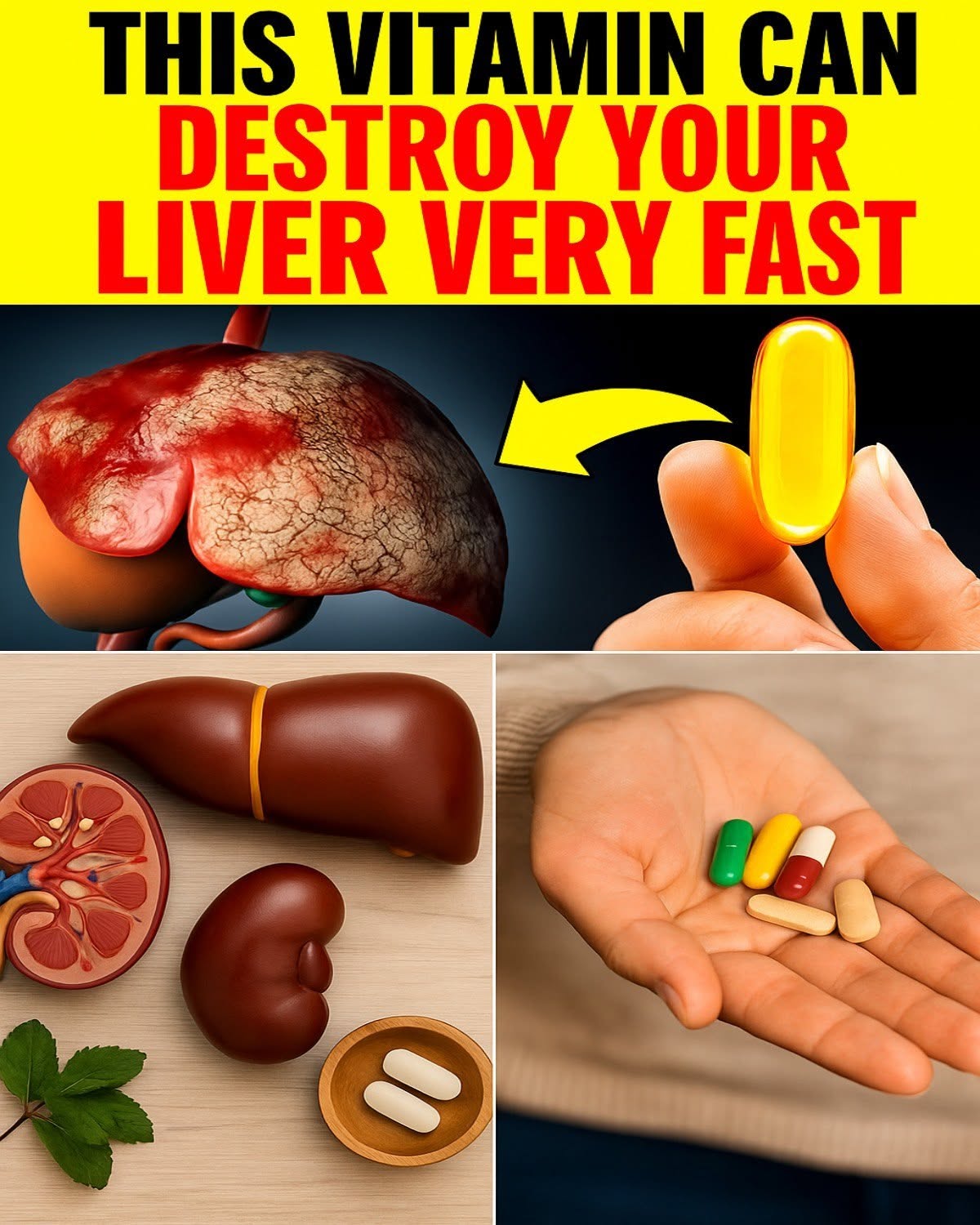
9 Vitamins & Supplements That May Affect Your Liver and Kidneys If Misused

Seek medical advice quickly if you notice yellowing of the skin or eyes, dark urine, pale stools, severe nausea, vomiting, unusual fatigue, abdominal pain, loss of appetite, swelling in the legs or ankles, foamy urine, blood in urine, confusion, or severe weakness. These symptoms do not always mean supplement damage, but they should not be ignored.

The liver and kidneys are responsible for processing many substances that enter the body. When someone takes multiple supplements, high doses, alcohol, prescription medications, or herbal extracts at the same time, the risk of side effects and interactions can increase. NCCIH warns that dietary supplements may interact with medications or pose risks for people with certain medical problems.

Who Should Be Extra Careful?

Some people should be especially cautious before starting supplements: older adults, pregnant or breastfeeding women, people with kidney disease, liver disease, diabetes, heart disease, high blood pressure, cancer, autoimmune disease, or anyone taking prescription medications.

People should also be careful with supplements bought online, “detox” formulas, weight-loss pills, bodybuilding products, and products promising fast results. Big promises often come with bigger risks.

How to Use Supplements More Safely

Use supplements only when there is a clear reason. Check the dose on the label, avoid taking several products with overlapping ingredients, and tell your doctor or pharmacist everything you take, including vitamins, herbs, teas, powders, and gummies.

Do not assume that more is better. With vitamins and minerals, the safe range matters. Too little can be harmful, but too much can also be harmful.

Final Thoughts

Vitamins and supplements can be helpful in the right situation, but they can also be risky when used carelessly. Vitamin A, vitamin D, niacin, vitamin C, iron, green tea extract, kava, comfrey, and turmeric or curcumin supplements are all examples of products that deserve caution, especially in high doses or when combined with medications.

The safest rule is simple: before taking a supplement every day, especially at high doses, ask a healthcare professional if it is truly needed and safe for you.

Disclaimer: This article is for general educational information only and does not replace medical advice, diagnosis, or treatment. Do not start, stop, or change supplements or medications without speaking with a healthcare professional. If you have severe symptoms, jaundice, chest pain, trouble breathing, confusion, blood in urine, or signs of liver or kidney problems, seek medical help immediately.