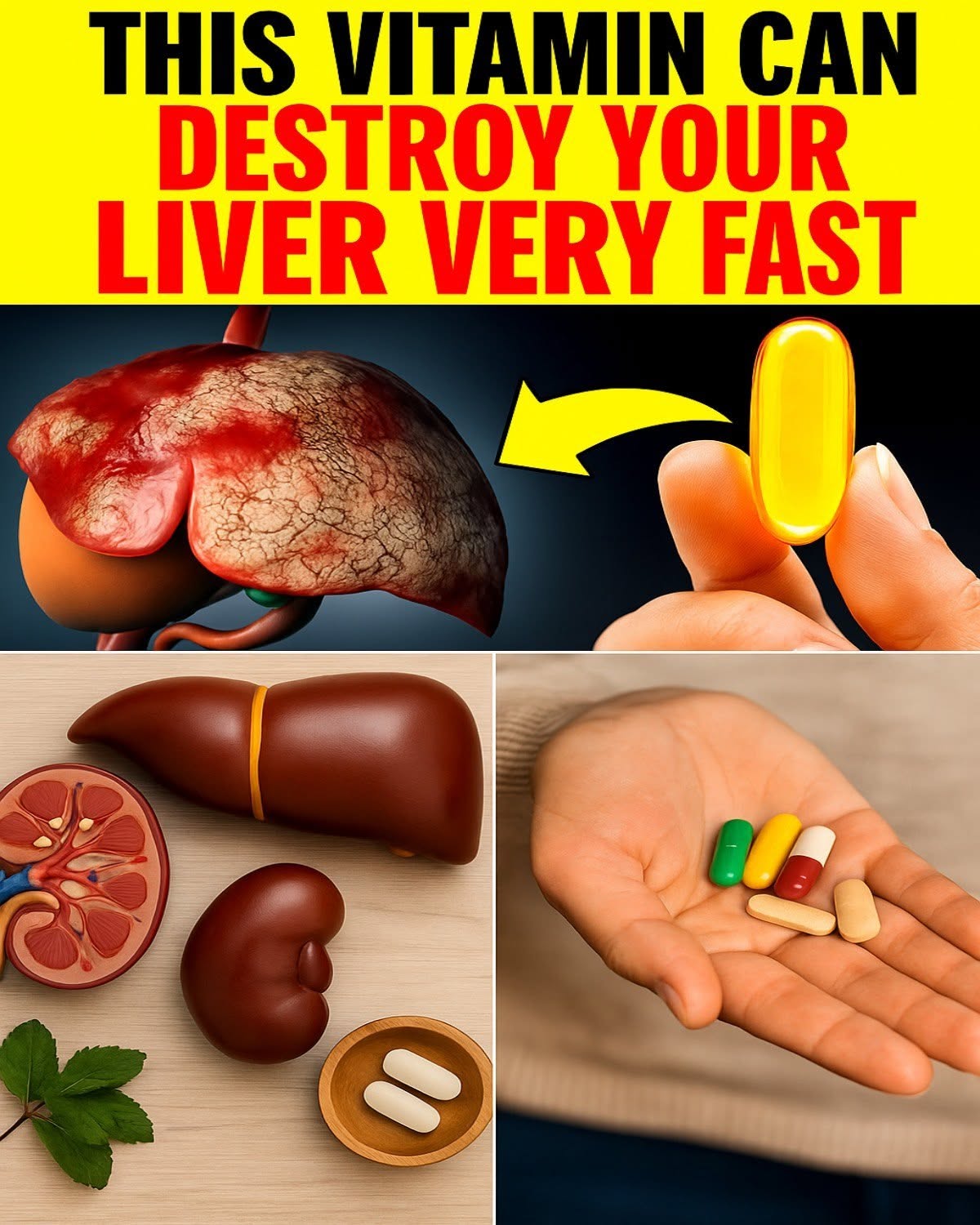
Vitamin C is water-soluble and important for immune function and collagen production, but very large doses are not harmless for everyone. The NIH notes that high vitamin C intake may increase urinary oxalate and uric acid excretion, and this can contribute to kidney stone risk in some people.
A large cohort study found supplemental vitamin C intake was associated with a higher risk of kidney stones in men. People with a history of kidney stones, chronic kidney disease, or oxalate problems should be extra cautious with high-dose vitamin C powders or tablets.
5. Iron Supplements
Iron is essential for making healthy red blood cells, but it is also one of the supplements that can become dangerous when taken without a proven need. The NIH warns that extremely high iron doses can cause organ failure, coma, convulsions, and death.
Long-term excessive iron intake can also harm the liver, especially in people with iron overload conditions. EFSA notes that excessive iron intake over prolonged periods can have negative health effects, particularly on the liver. Iron supplements should usually be taken after blood tests confirm low iron or anemia.
6. Green Tea Extract
Drinking normal green tea is very different from taking concentrated green tea extract capsules. LiverTox reports that green tea extract has been linked to clinically apparent acute liver injury, including rare cases of acute liver failure.
The concern is especially linked to concentrated extracts often used in weight-loss or “fat burner” supplements. Anyone who develops yellow skin or eyes, dark urine, stomach pain, unusual fatigue, nausea, or loss of appetite after using green tea extract should stop the supplement and seek medical advice.
7. Kava
Kava is an herbal supplement often promoted for stress or relaxation, but it has a known liver safety concern. NCCIH says various kava products have been linked to rare liver injuries, some serious or even fatal.
Kava may be especially risky for people with liver disease, heavy alcohol use, or those taking medications that affect the liver. It is also not a good idea to mix kava with sedatives or other calming products without medical advice.
8. Comfrey
Comfrey is sometimes promoted as a natural herb for pain or inflammation, but oral comfrey is not considered safe. LiverTox explains that comfrey contains pyrrolizidine alkaloids and, when taken by mouth, can cause severe liver injury.
This is one of the clearest examples of why “herbal” does not always mean safe. Comfrey tea, capsules, or internal use should be avoided unless specifically advised by a qualified healthcare professional.
9. Turmeric or Curcumin Supplements
Turmeric used as a spice in food is generally different from concentrated curcumin supplements. In recent years, turmeric and curcumin supplements have been linked to rare cases of liver injury. Australia’s Therapeutic Goods Administration warns that medicines and herbal supplements containing turmeric or curcumin may cause liver injury in rare cases, and LiverTox also documents turmeric-related liver injury reports.
Risk may be higher with high-dose products, enhanced-absorption formulas, or combinations with other supplements and medications. People with current or past liver problems should be especially cautious.
Warning Signs Your Liver or Kidneys May Be Struggling