may also change.
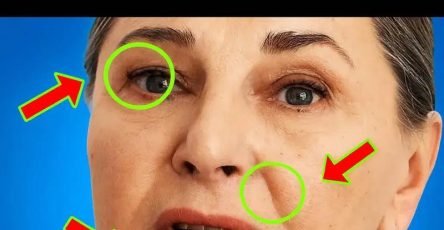
2. Swollen Feet or Puffy Eyes in the Morning
Fluid retention sometimes becomes more noticeable overnight.
People with kidney dysfunction may wake up with:
Puffy eyelids
Swollen feet
Tight fingers
Facial puffiness
This may happen because damaged kidneys struggle to remove excess fluid efficiently.
Protein leakage into urine may also contribute to puffiness around the eyes.
3. Nighttime Muscle Cramps
Kidneys help regulate important electrolytes including:
Potassium
Calcium
Sodium
Magnesium
When these mineral levels become imbalanced, some people experience:
Leg cramps
Muscle spasms
Twitching at night
Night