The Vitamin That Can Drain Swollen Ankles Fast

Why the ankles puff first
Inside your body, every cell runs a microscopic pump that shuttles sodium and potassium back and forth. That pump is not decorative — it is the gatekeeper that keeps fluid from sloshing into surrounding tissue.

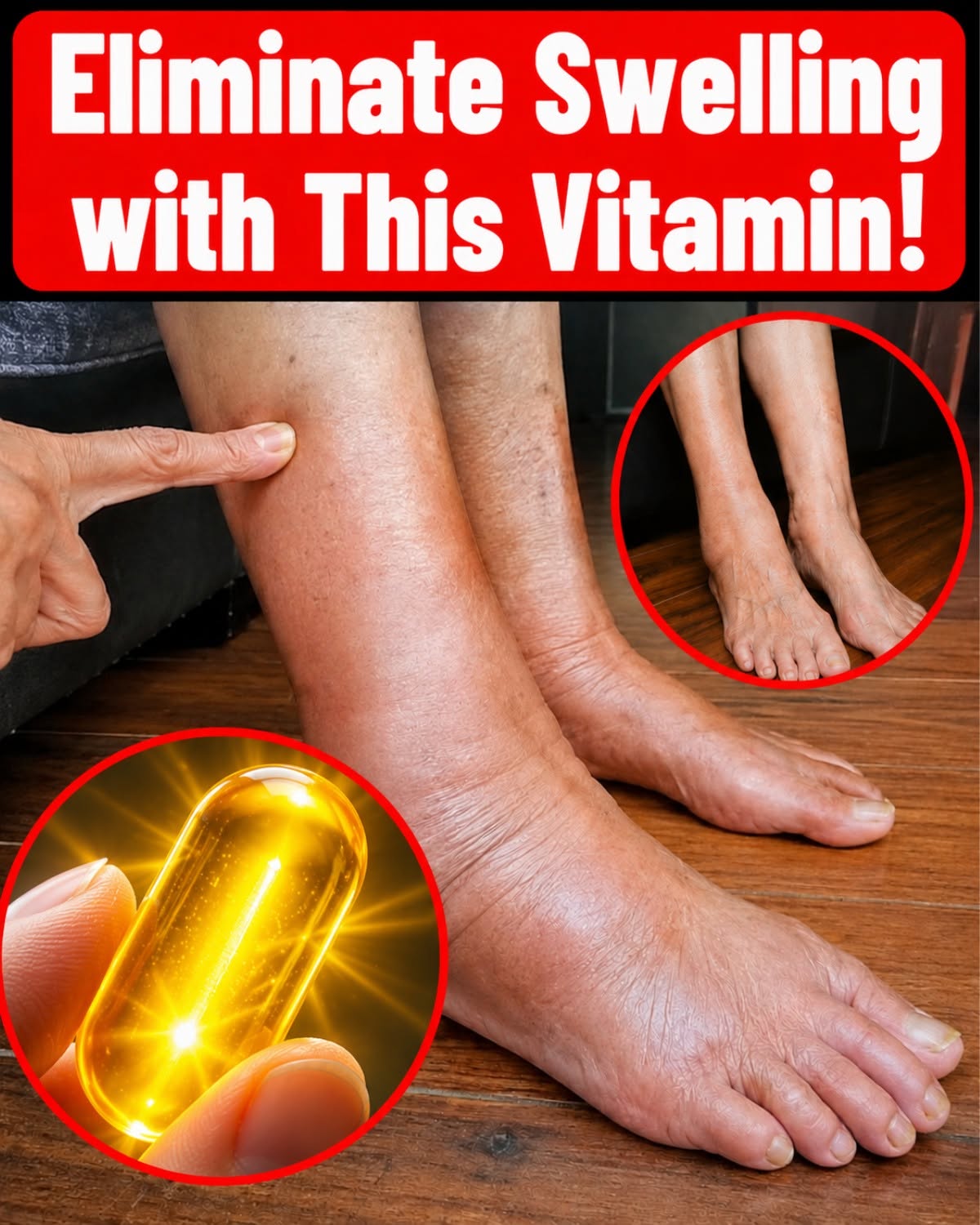
When B1 runs low, the whole system starts dragging. Think of a sump pump in a basement after a storm: if the motor weakens, water doesn’t politely wait outside. It spills across the floor, creeps under boxes, and leaves a soaked mess behind.Your lower legs work the same way. The first thing people notice is that the ankles look thicker by evening, then the  shoes feel tighter, then the skin leaves a dent when pressed. That dent is not “just puffiness.” It’s fluid sitting where it never belonged.

And here’s the ugly contrast: without enough B1, the body keeps burning sugar poorly, cells stay underpowered, and the fluid-control pump loses the energy it needs to keep the flood contained.

That’s why the swelling often shows up with fatigue, brain fog, and that dragged-out feeling like your body is moving through wet cement.

Why the whole lower body feels swollen
B1 does more than help one pump. It helps turn sugar into usable energy, which means the body stops acting like a warehouse full of fuel that can’t be accessed.

Think of a delivery truck parked outside a locked factory. The supplies are there, stacked high, but the workers inside can’t use them. That’s what low B1 does: it leaves the body surrounded by fuel while the cells sit half-starved.

When that happens, circulation gets sticky, fluid balance gets sloppy, and the lower body pays the price first. Ankles swell. Calves feel tight. Feet look thicker than they did that morning.

Medical Literature & Resources

After a few days of consistent support, the shift shows up in small ways before it shows up in the mirror. The rings of pressure from socks don’t look as angry. Walking feels lighter. That constant “loaded” feeling in the legs starts to back off.

And that’s the hidden win: when the body can actually use its fuel, it stops hoarding fluid like a panicked landlord boarding up the windows before a storm.

That’s why nobody built a Super Bowl ad around a  vitamin that helps cells do their job. Cheap fixes don’t buy billboards, and they definitely don’t feed the supplement circus.

Why women notice it differently
Women often feel the swelling in a more scattered way — ankles, feet, a puffy face, fingers that feel tight by evening. It can look like “water weight,” but inside the body it’s often a sign that the fluid-control system is struggling to stay balanced.

Picture a laundry room drain that can’t keep up. The water doesn’t explode all at once; it slowly creeps outward, dampening the floor, the baseboards, the corners you don’t check until the mess is obvious. That’s how this kind of swelling sneaks in.

Once B1 is back in the picture, the body gets a better shot at turning food into energy instead of letting sugar sit around and gum up the works. The result is not magic. It’s relief.

You wake up and your feet feel less stuffed. You move through the day without that heavy, dragging pressure in your calves. By evening, your body doesn’t look like it spent the whole day fighting gravity.

Why the energy crash and swelling travel together