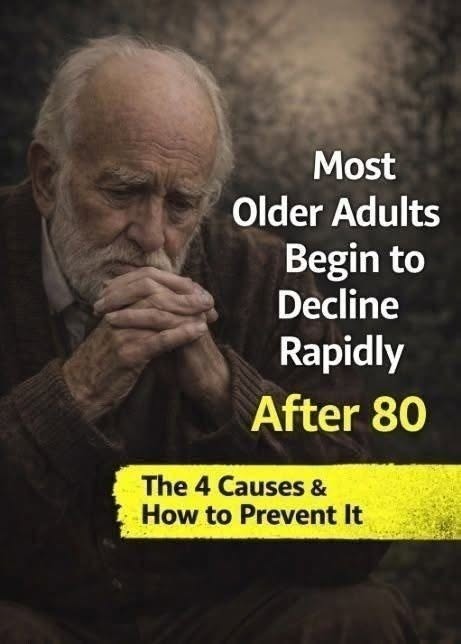
The human body is incredibly resilient, but it was never designed to function indefinitely. Over time, organs, tissues, and biological systems gradually lose efficiency. This process doesn’t happen overnight. Instead, it occurs slowly over decades until the cumulative effects become significant.
By age 80, many people have accumulated years of wear and tear on their bodies. The challenges they face are often interconnected, creating a cycle that can be difficult to break.
Here are the four biggest reasons.
1. The Body’s Repair Systems Become Less Effective
One of the most important reasons longevity becomes harder after 80 is that the body’s natural repair mechanisms slow down.
When you’re young, your body constantly repairs damaged cells, heals injuries, and replaces worn-out tissues. A scraped knee heals quickly. A broken bone often recovers completely. Infections are usually fought off efficiently.
As people age, these repair systems gradually weaken.
Cellular Aging
Every day, billions of cells divide and replace older cells. Over time, cells accumulate damage from:
Continue reading on the next page →
\
Environmental toxins
UV radiation
Stress
Poor diet
Inflammation
Natural metabolic processes
Eventually, many cells enter a state called “cellular senescence,” meaning they stop functioning properly but don’t die off as they should.
These aging cells can contribute to:
Continued on next page:
Chronic inflammation
Tissue damage
Reduced organ function
Increased disease risk
Slower Healing
Older adults often notice that:
Cuts heal more slowly
Bruises last longer
Recovery from surgery takes more time
Broken bones heal less efficiently
A simple fall that might cause a minor injury in a younger person can become a life-changing event for someone over 80.
Weakened Immune Response