that dietary supplements are regulated differently from regular foods and drugs, and products marketed to diagnose, treat, cure, or prevent disease are legally considered drugs, even if they are sold as supplements.
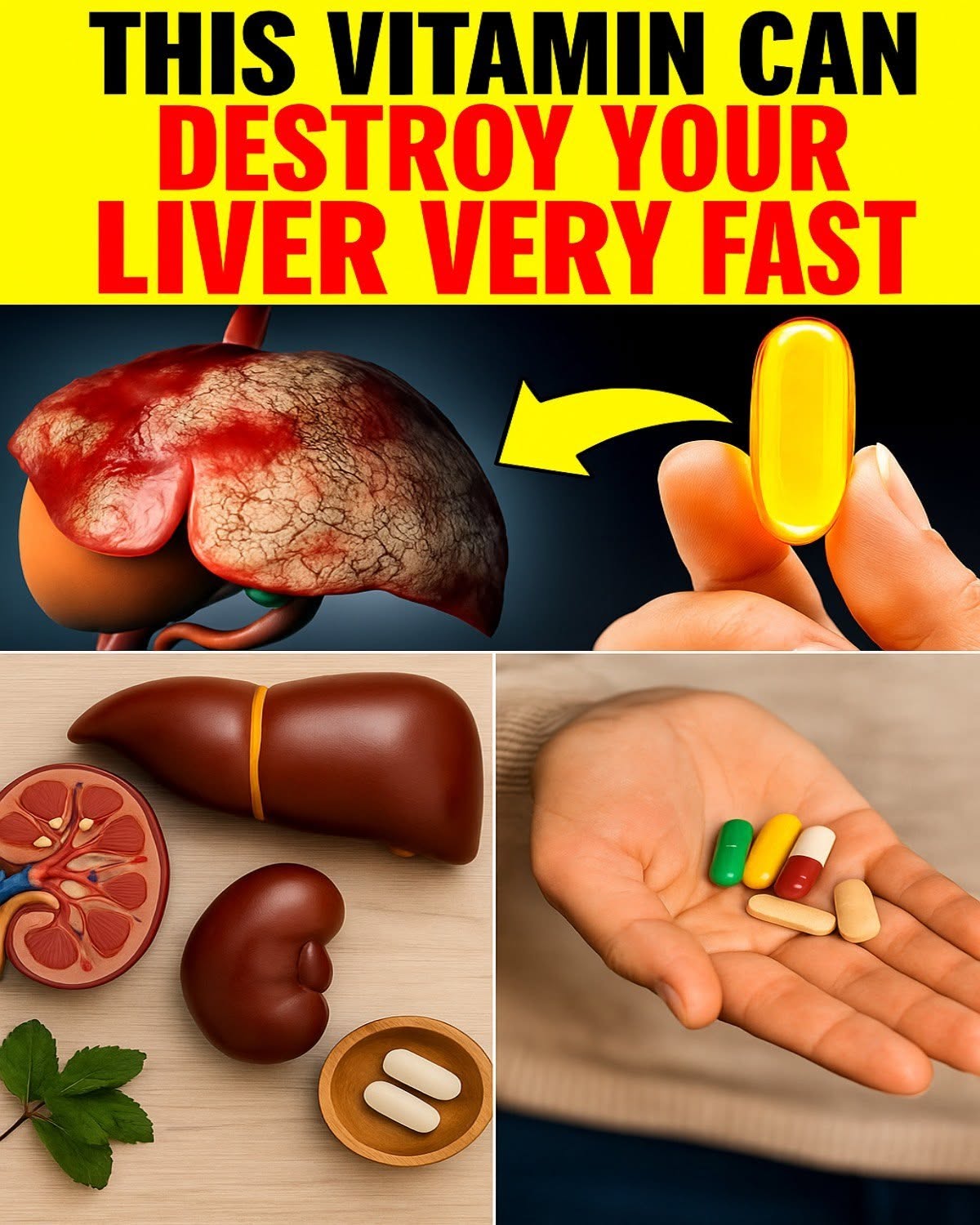
Below are 9 vitamins and supplements that deserve extra caution because they may affect the liver, kidneys, or both when misused.
1. Vitamin A
Vitamin A is important for vision, immunity, and skin health, but too much preformed vitamin A from supplements can build up in the body because it is fat-soluble. The NIH Office of Dietary Supplements